
World Brief: Iran, Shipping Risk, Oil Shock, AI, Markets, and Space
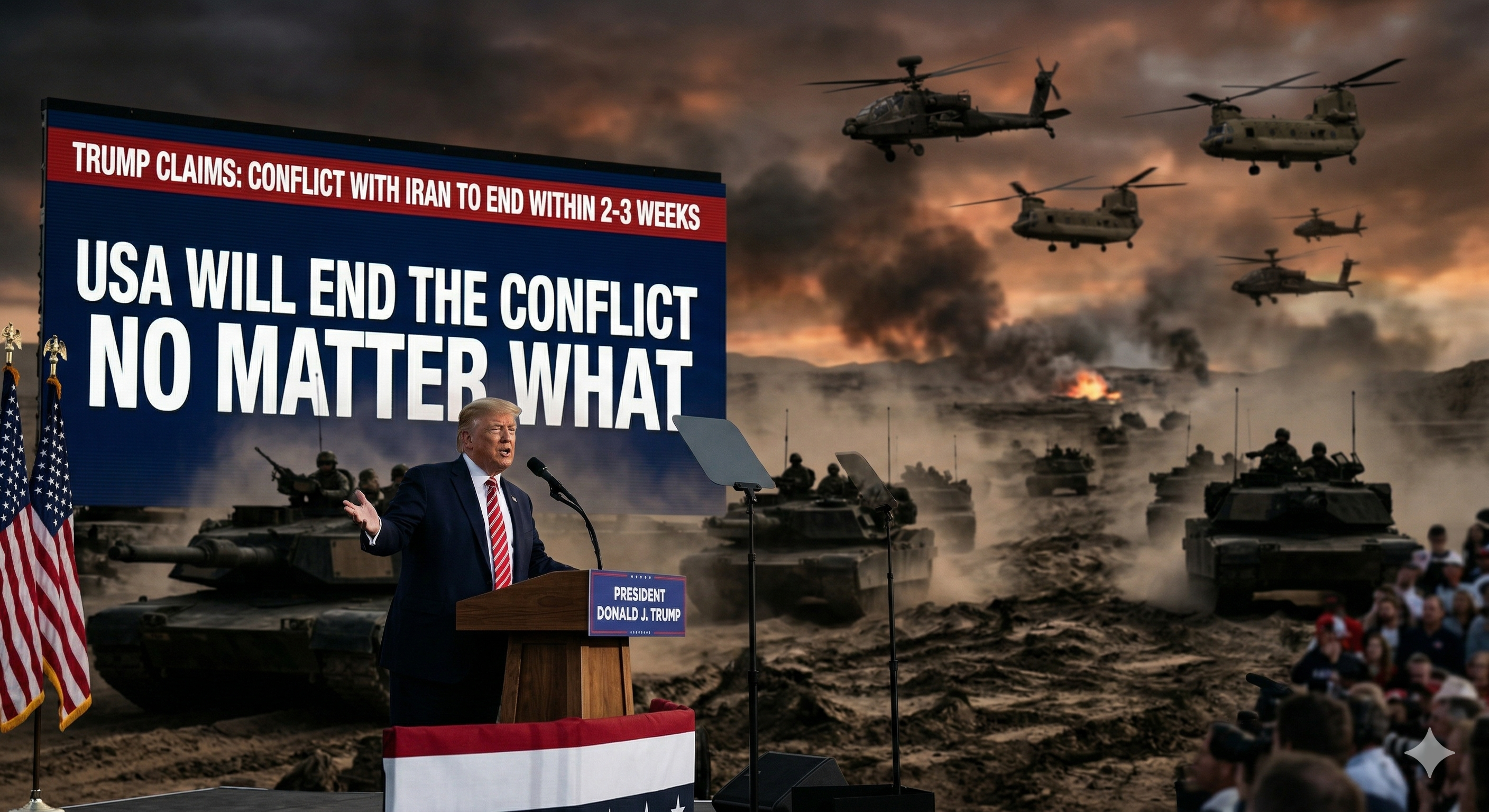
Donald Trump claims that the conflict with Iran could end within two to three weeks. He says there is no guarantee of a peace deal, and that the United States will end the conflict one way or another.
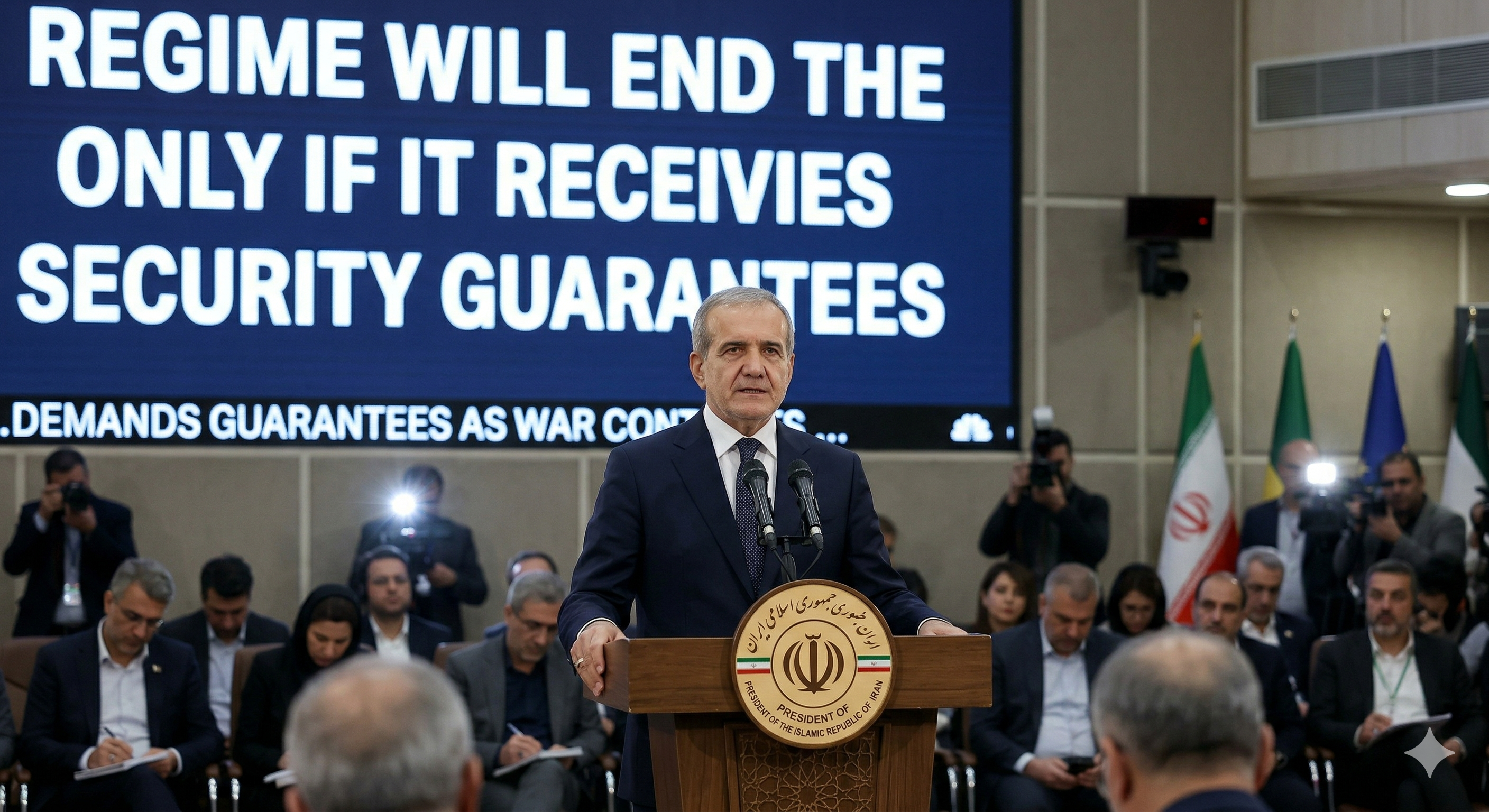
Masoud Pezeshkian, Iran’s president, said the regime would end the war only if it receives security guarantees.
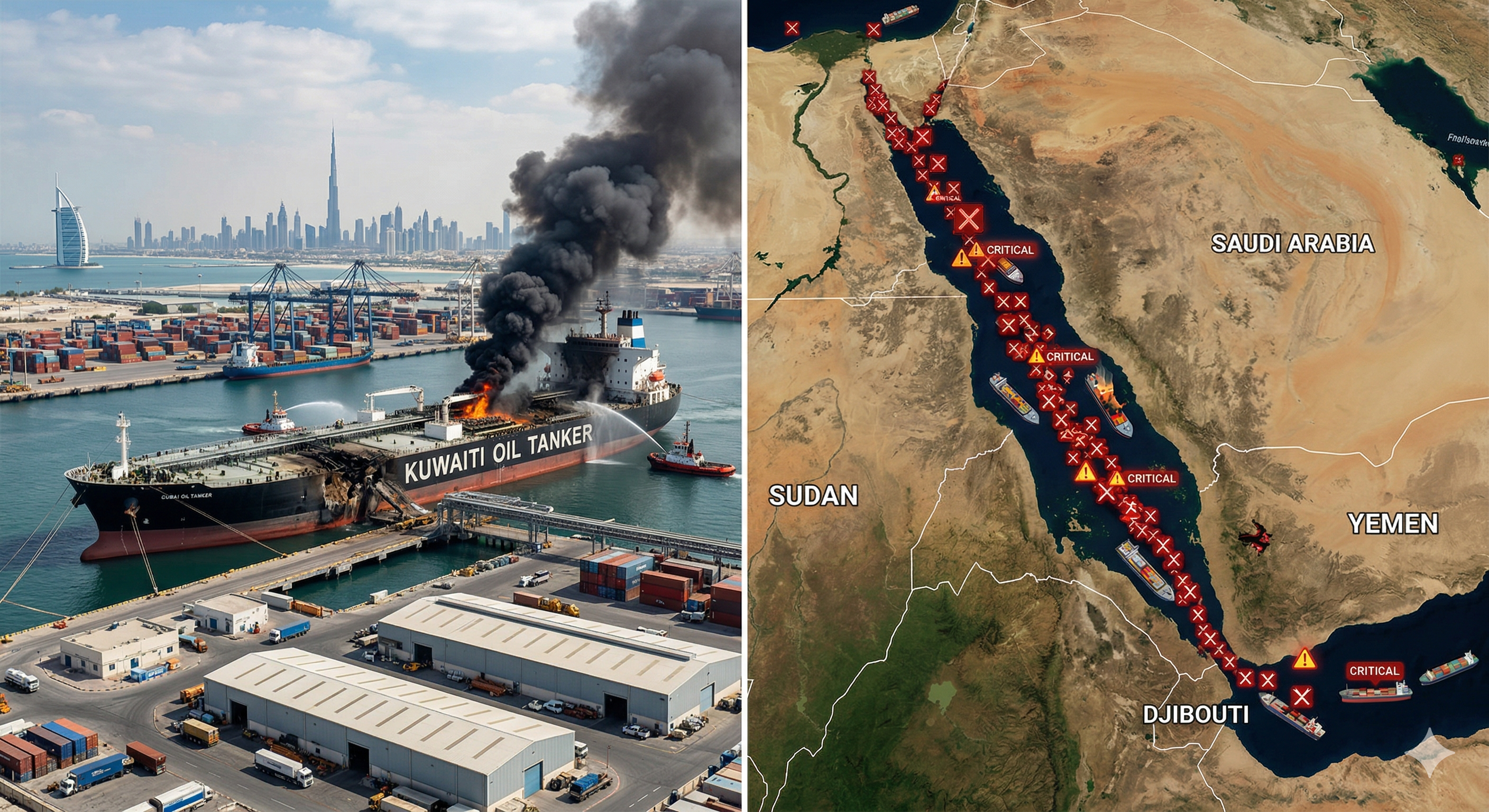
Iran continues its attacks in the Gulf and on Israel. A recent strike reportedly hit a Kuwaiti oil tanker docked in Dubai. At the same time, the Houthis in Yemen, backed by Iran, attacked Israel for the first time since the war. That combination pushes shipping risk even higher in the Red Sea corridor.
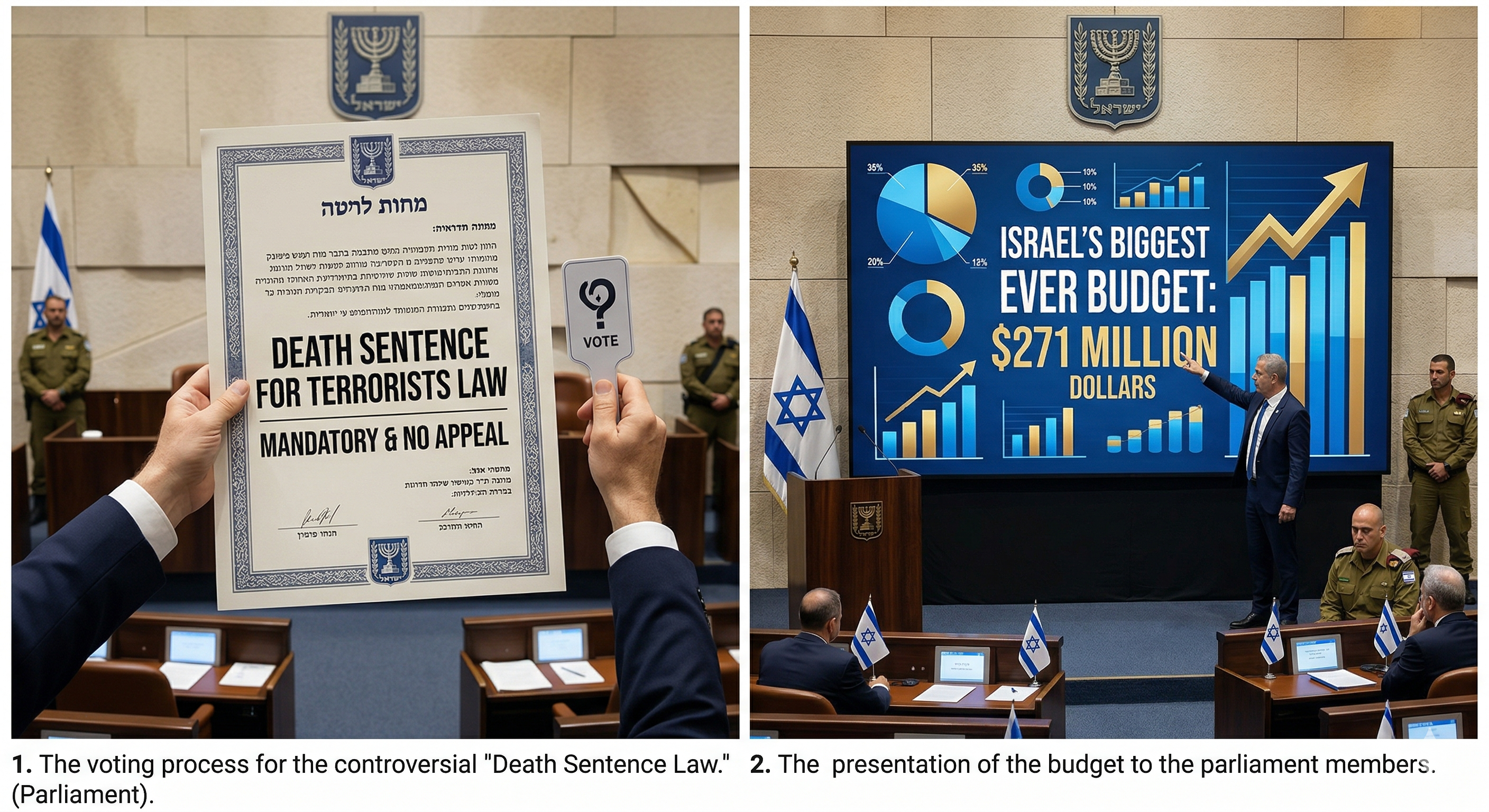
The Israeli parliament passed a law making a death sentence mandatory for Palestinians convicted of terrorist acts, and the measure bars the right to appeal. It also passed a $271 million budget described as Israel’s biggest ever.
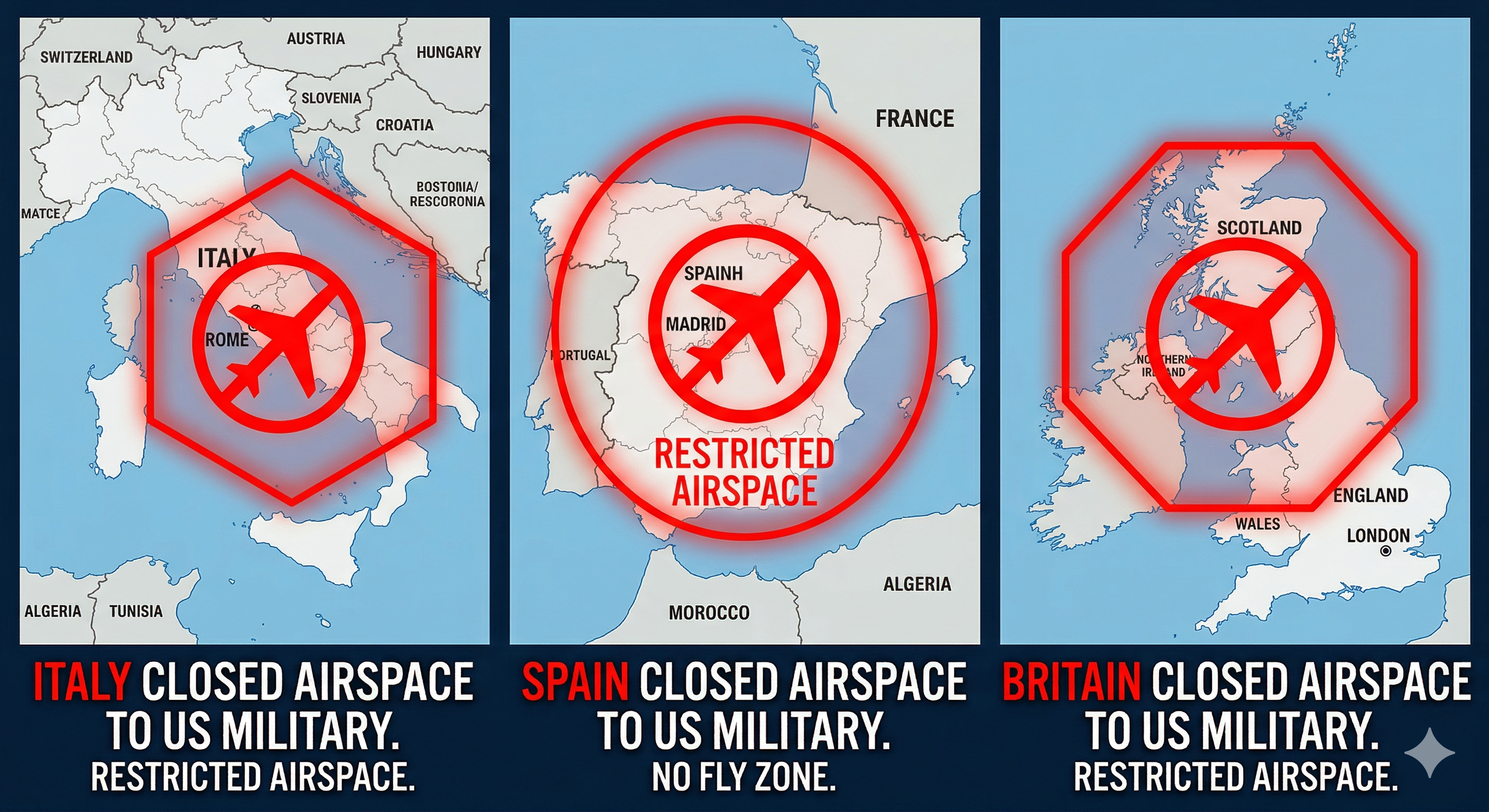
America’s secretary of state said Washington would re-examine its military alliance with NATO after the war. Trump called NATO countries “cowards”. Italy and Spain reportedly closed their airspace to U.S. military aircraft involved in the war, while Britain restricted use of its airspace to defensive action only.
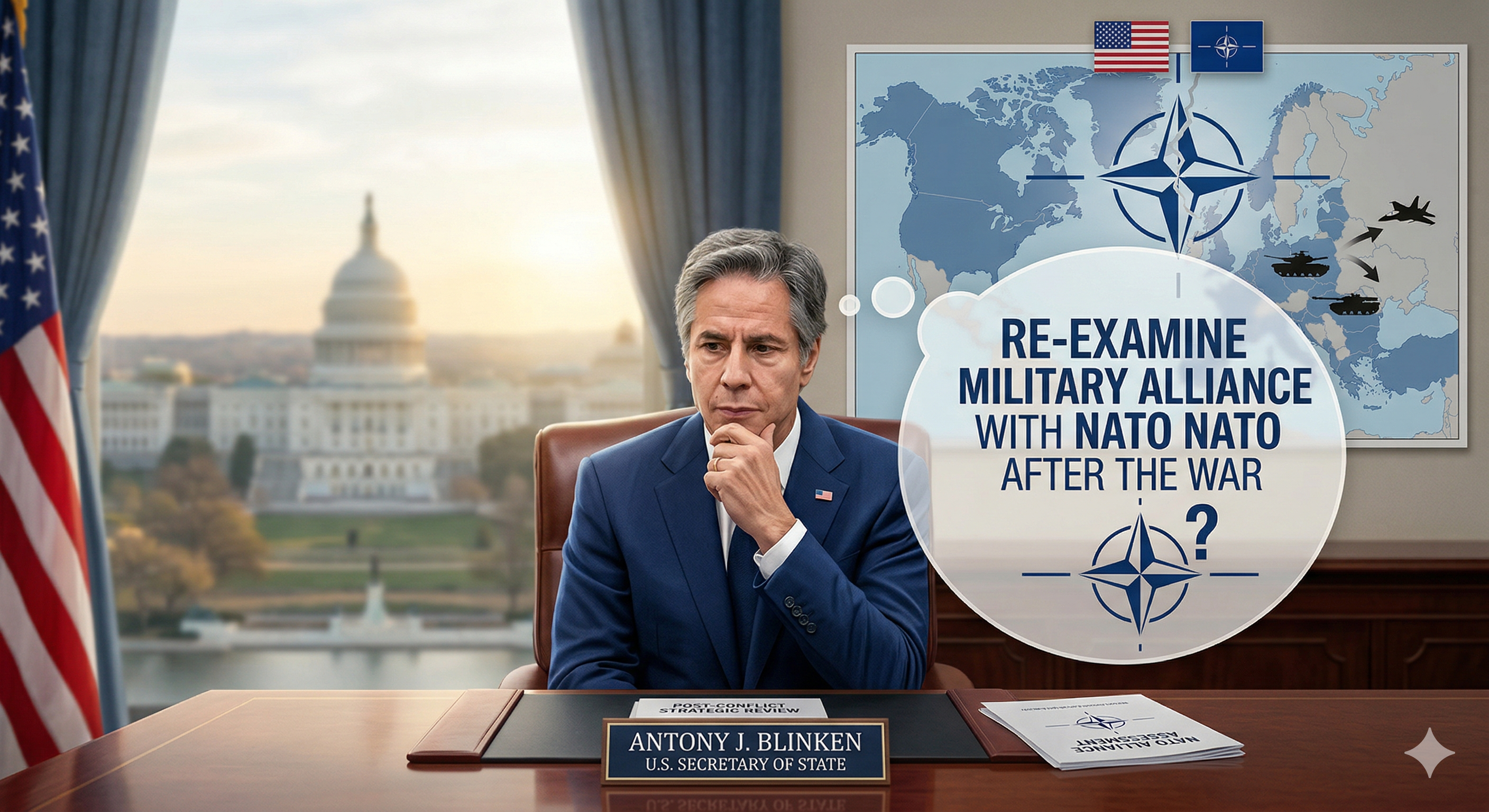
The NATO rethink now looks less like alliance maintenance and more like power bargaining under battlefield stress — classic late-imperial spreadsheet theater, just with missiles.
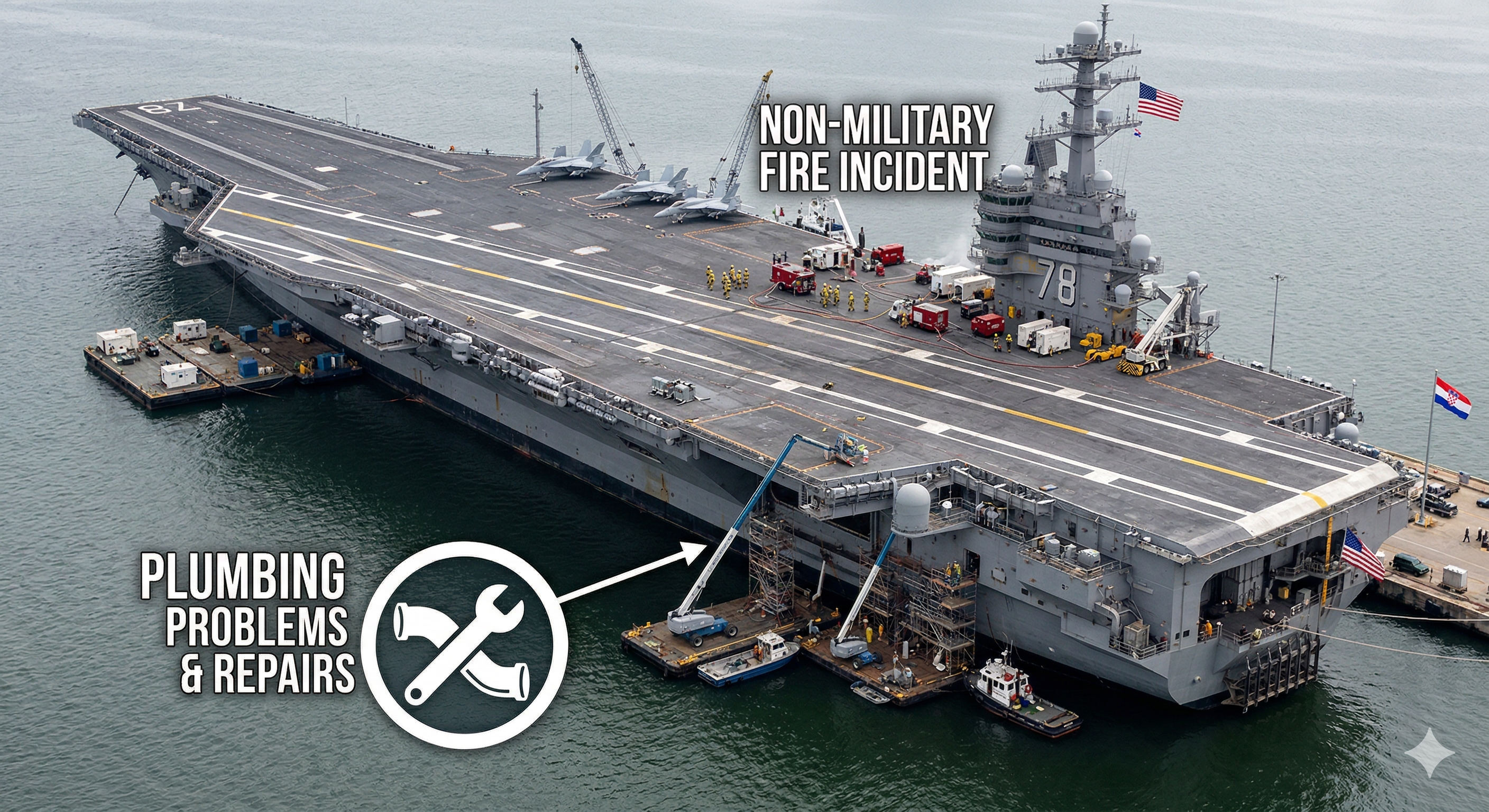
USS Gerald R. Ford, the world’s biggest aircraft carrier, docked in Split, Croatia for repairs. Reports say it is dealing with plumbing problems and has also had a non-military fire incident.
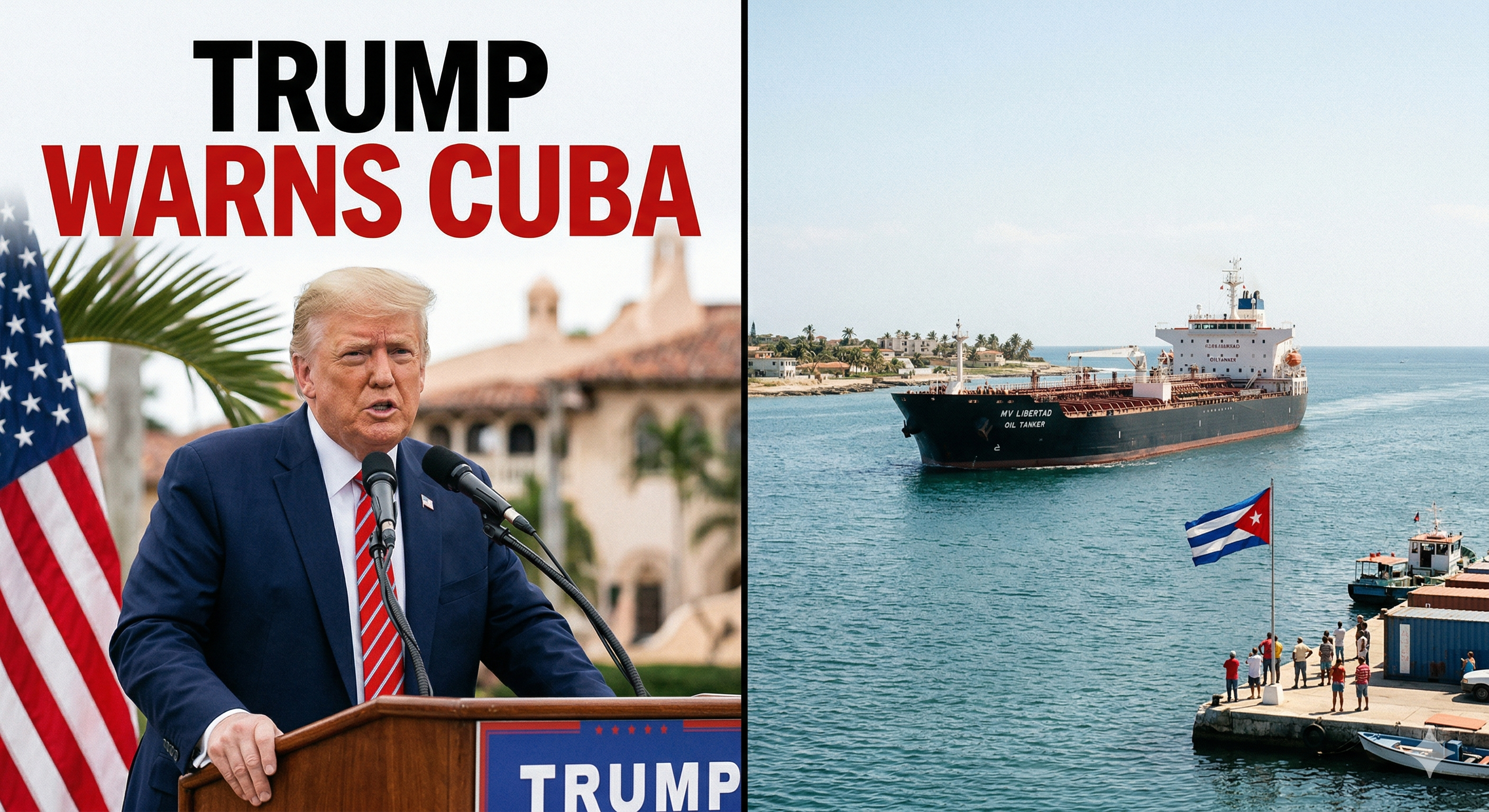
Trump has warned Cuba. At the same time, he does not appear to object to oil being sent to the island. A Russian tanker carrying 100,000 tonnes of crude oil docked in Cuba.

America also lifted its “do not travel” advisory for Venezuela.

Volodymyr Zelensky visited Jordan, Qatar, Saudi Arabia, and the UAE. Ukraine has reached agreements on security and defence with Gulf countries.
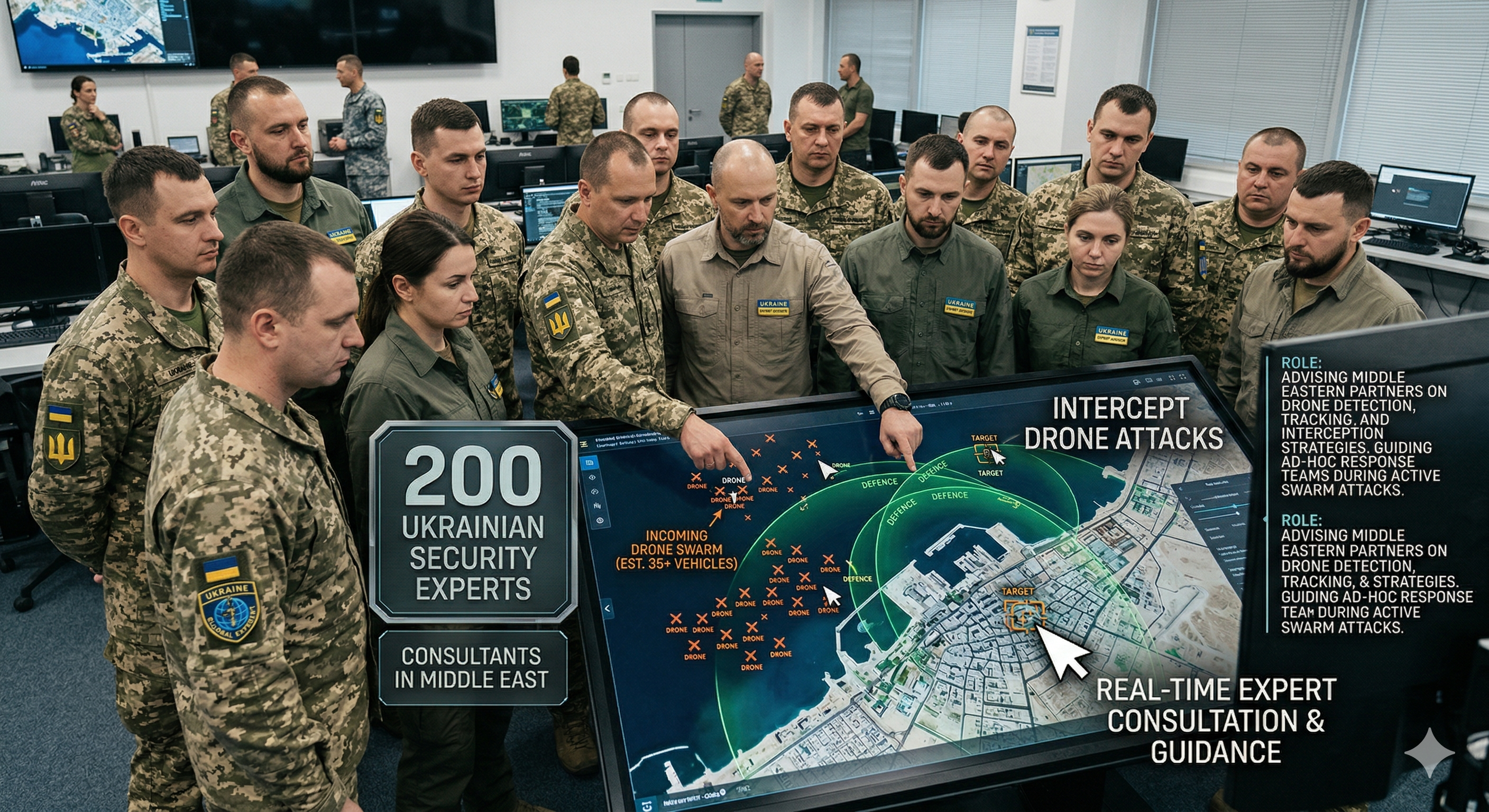
Those arrangements include shared air-defence and drone technology. More than 200 Ukrainian security experts are in the Middle East as consultants, advising on how to intercept drone attacks.
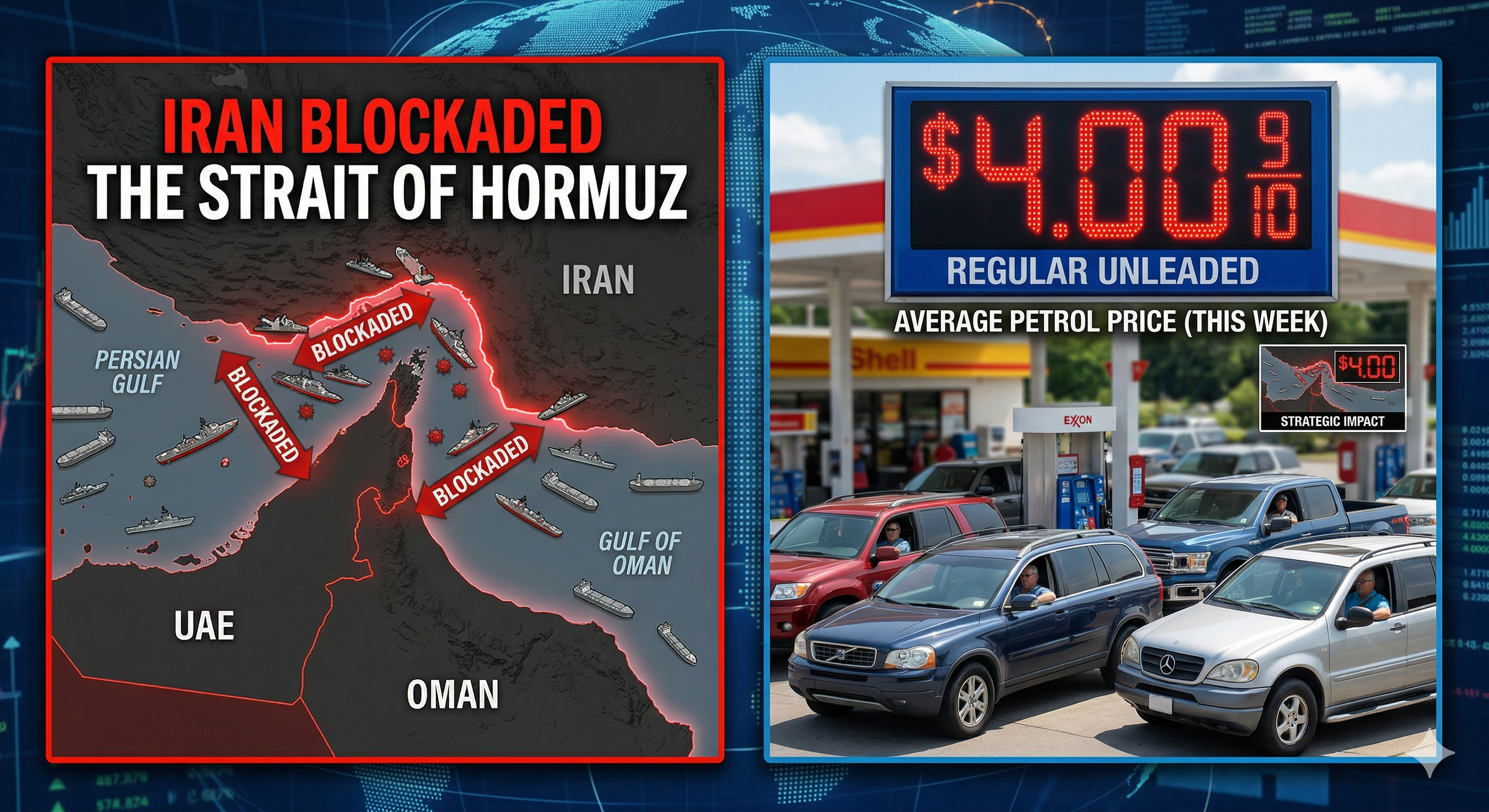
Oil prices in March saw a sharp increase. Brent crude reached $119 a barrel after Iran blockaded the Strait of Hormuz. The average price of petrol in America reached $4 a gallon this week.
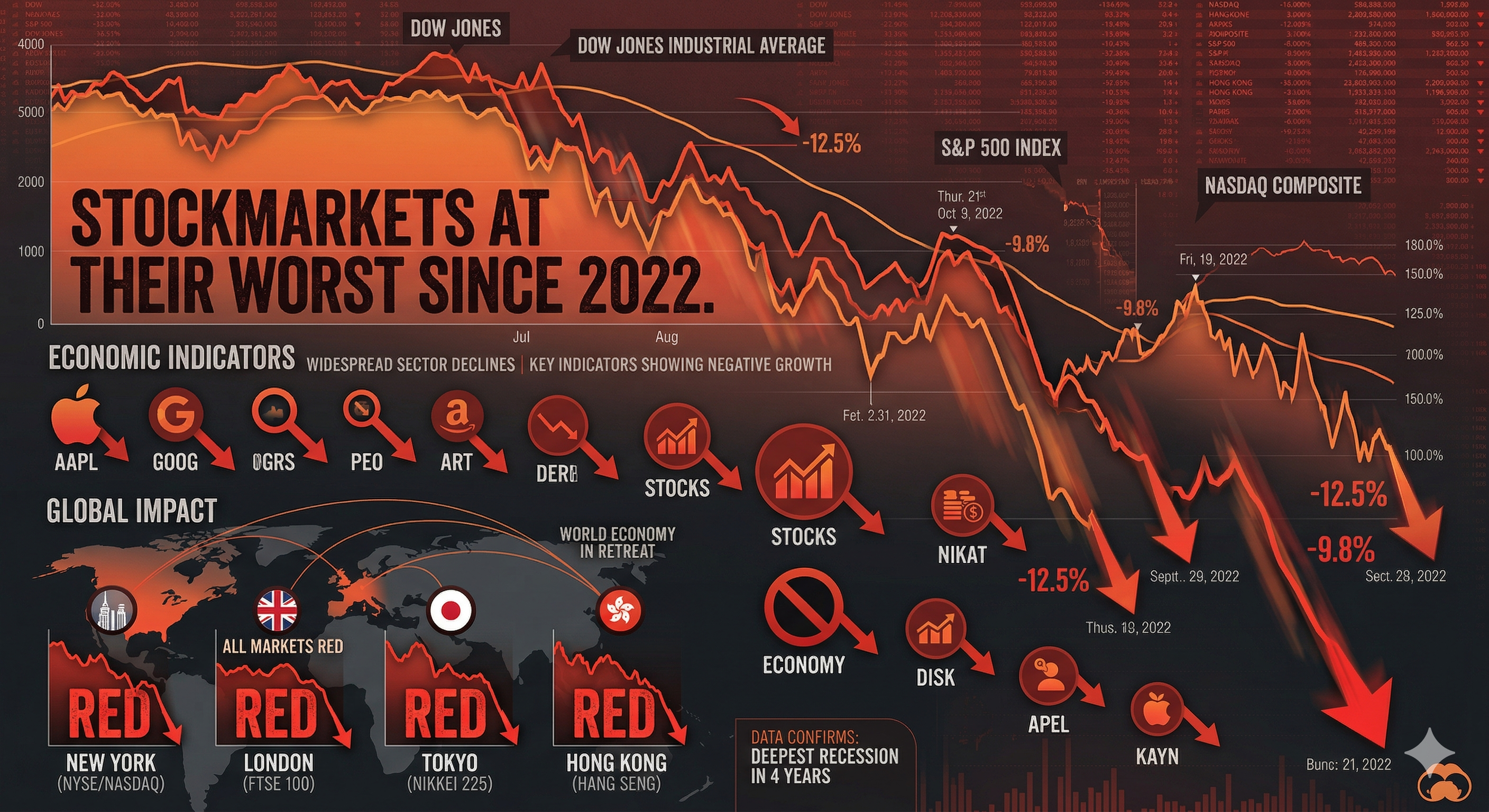
Stock markets are having their worst stretch since 2022.
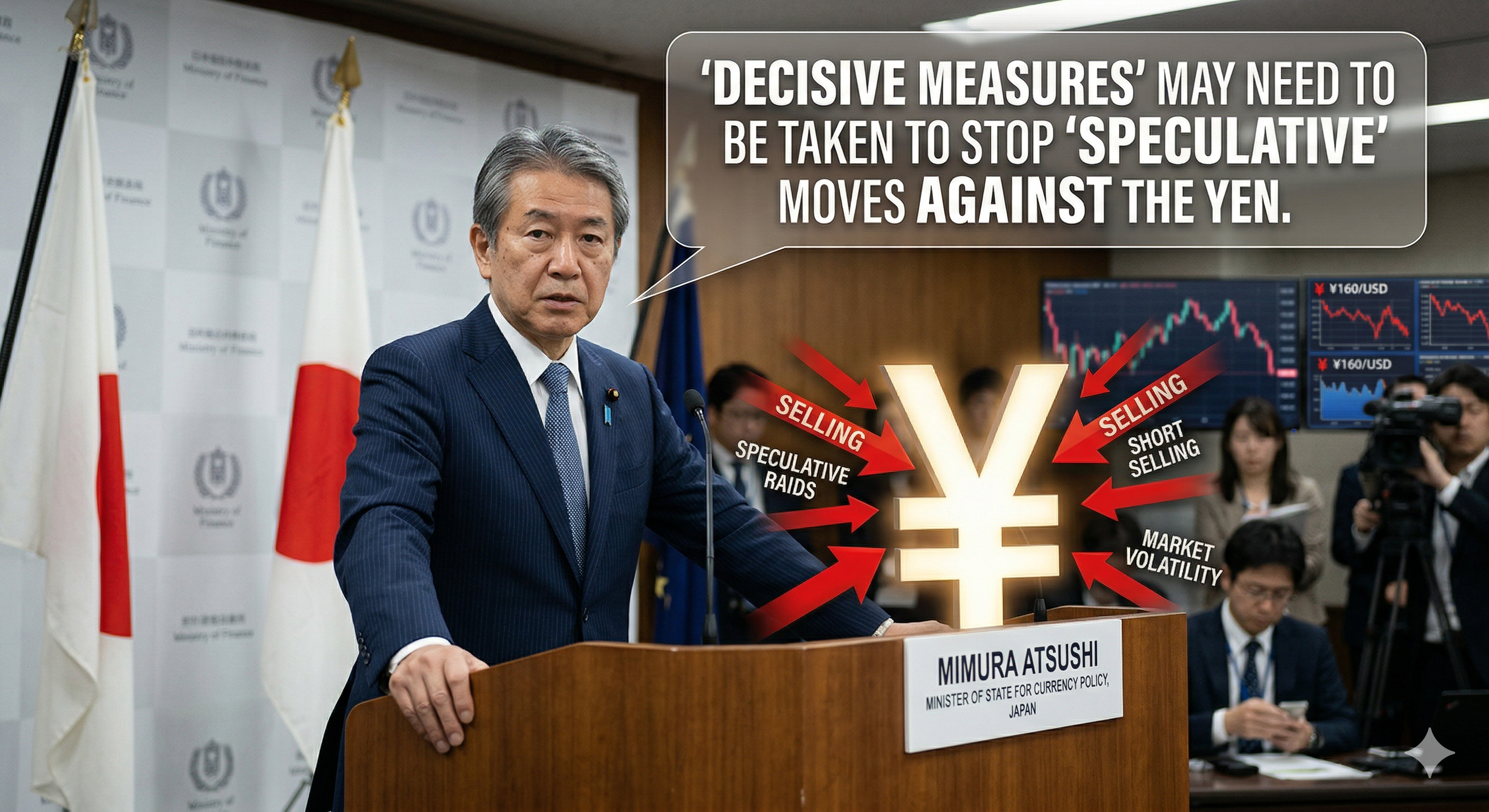
In Japan, currency policy minister Mimura Atsushi warned that “decisive measures” may need to be taken to stop speculative moves against the yen.
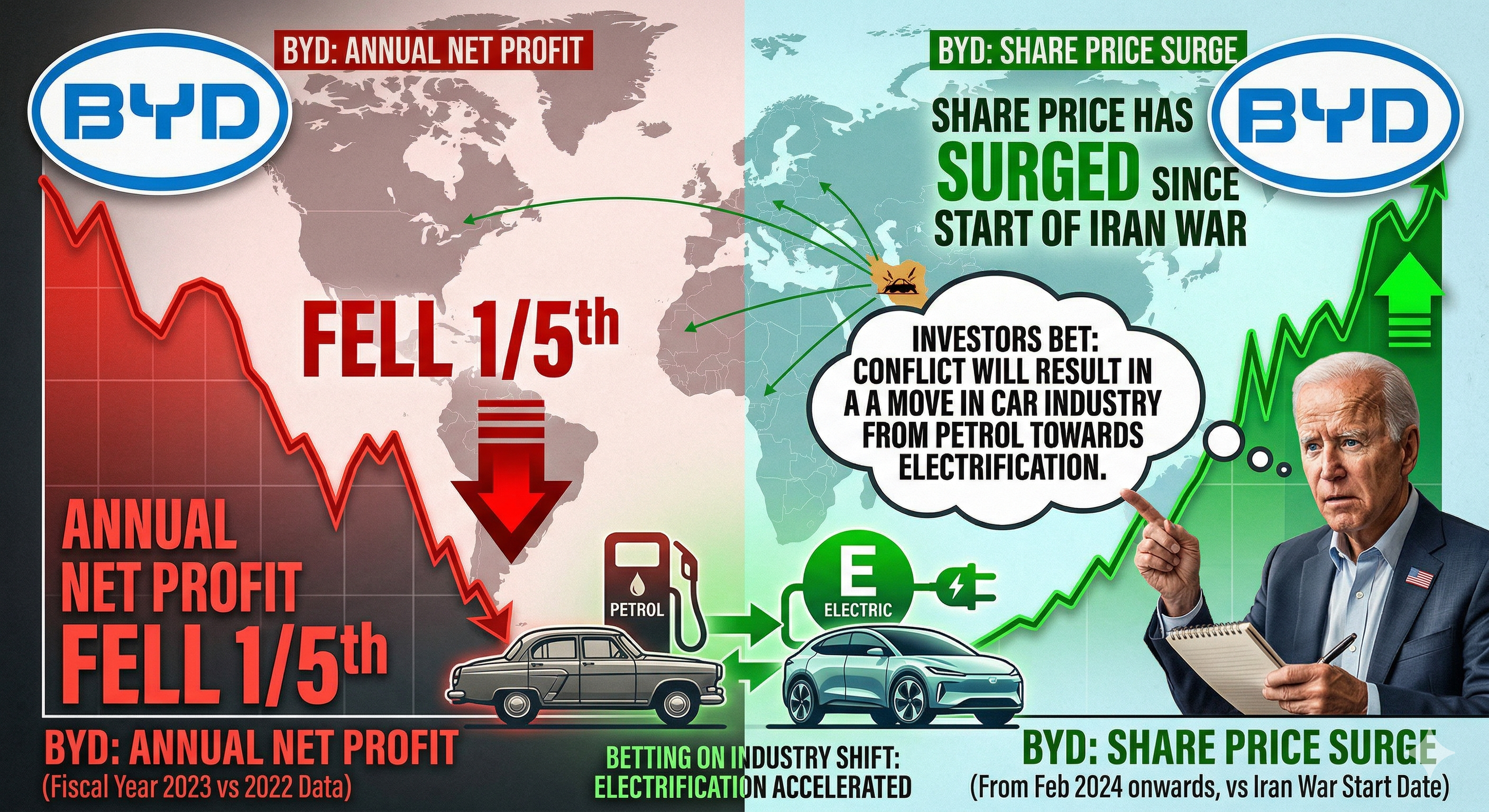
Interestingly, BYD’s annual net profit fell by one-fifth. Yet its share price has surged since the start of the Iran war, as investors bet the conflict could push the car industry away from petrol and toward electrification.

Google published research suggesting a new algorithm that could cut the amount of storage required for AI. After that research appeared, memory-chip stocks sold off hard. Shares in SK Hynix, Western Digital, and SanDisk tumbled.
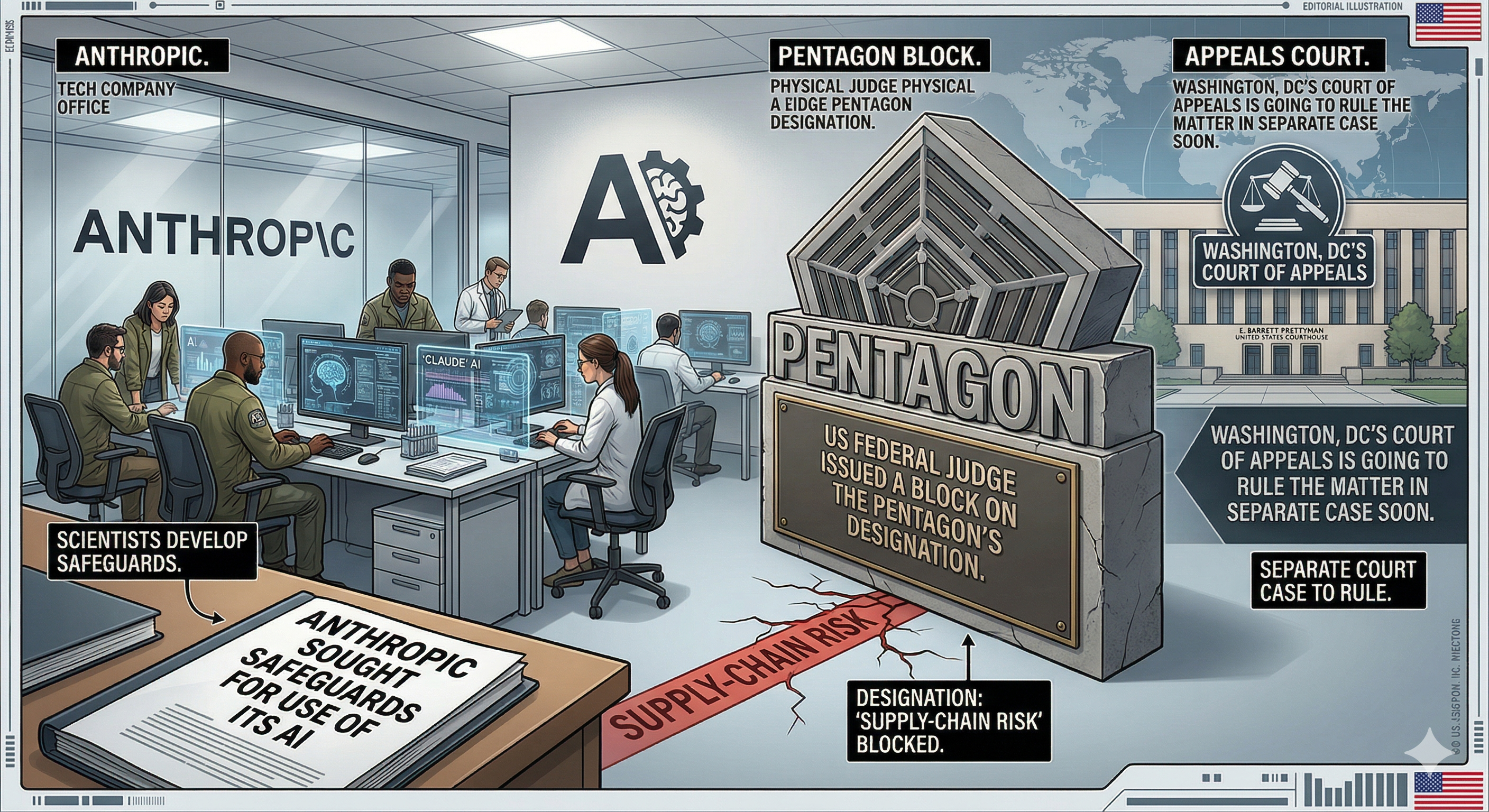
A U.S. federal judge blocked the Pentagon’s designation of Anthropic as a “supply-chain risk”. The Pentagon made that designation after Anthropic sought safeguards on the use of its AI in certain situations. Washington, D.C.’s court of appeals is expected to rule on the matter in a separate case soon.
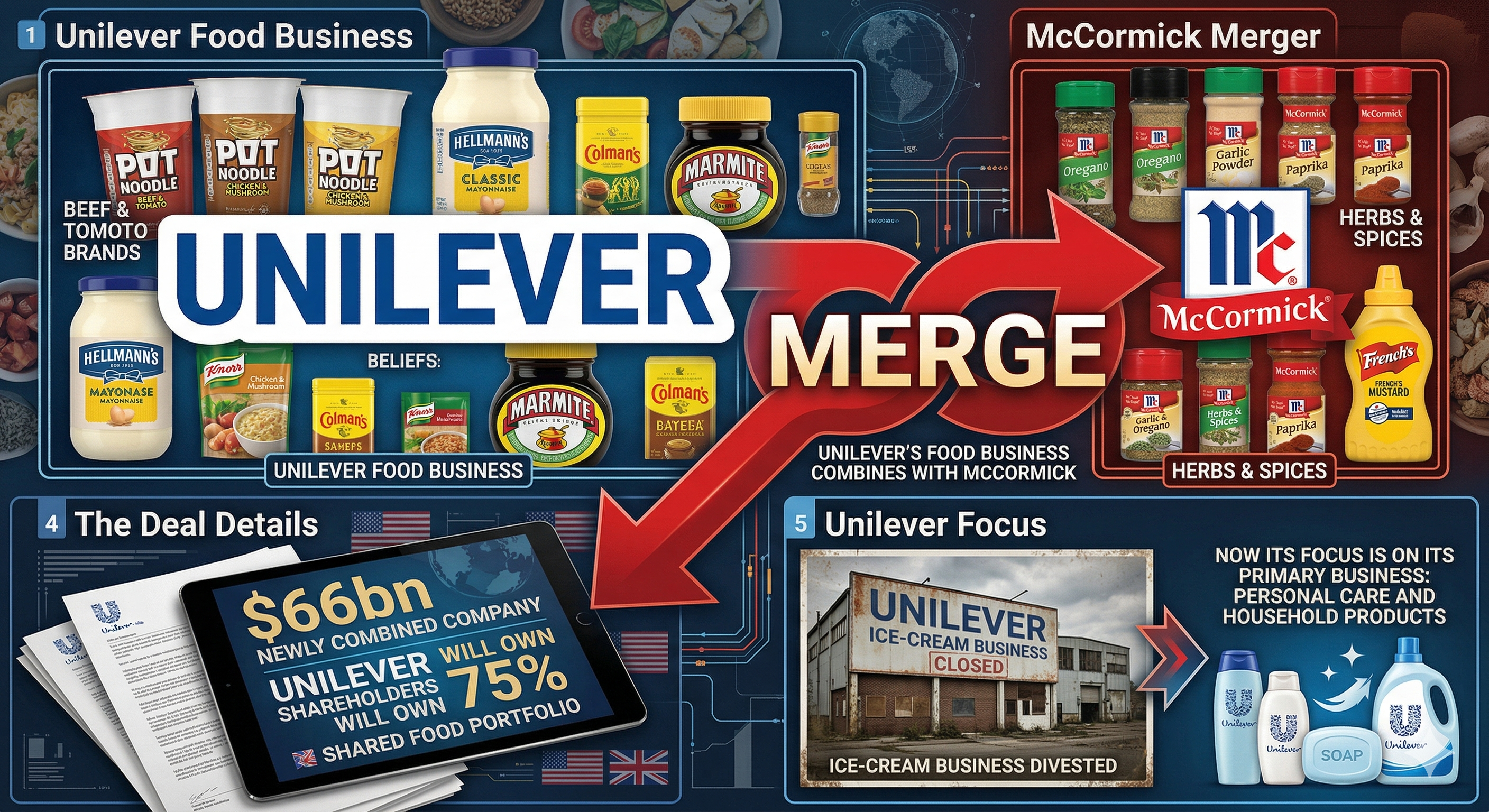
Unilever announced a deal to merge its food business — including Pot Noodle brands, Hellmann’s, and Marmite — with McCormick, best known for herbs and French’s mustard. Unilever shareholders will own 75% of the $66bn newly combined company. After closing down its ice-cream business last year, Unilever’s focus is now more clearly on personal care and household products.
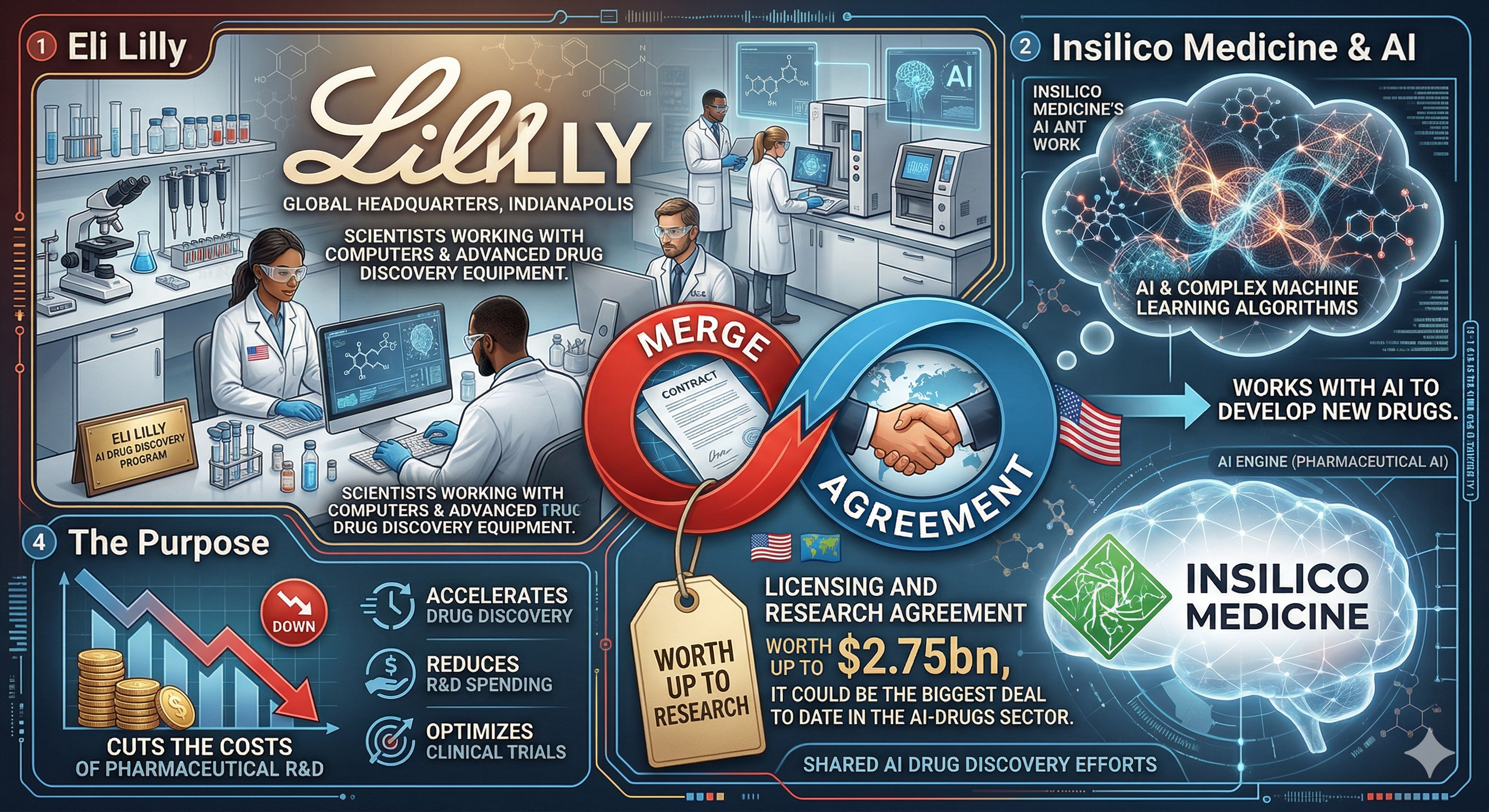
Eli Lilly struck a licensing and research agreement with Insilico Medicine, which uses AI to develop new drugs. Worth up to $2.75bn, it could become one of the most important deals yet in the AI-drugs sector, where machine learning and automated labs are used to cut the cost of pharmaceutical R&D.
In the same busy week, Eli Lilly also agreed to buy Centessa for $7.8bn. Centessa is a specialist in sleeping disorders.
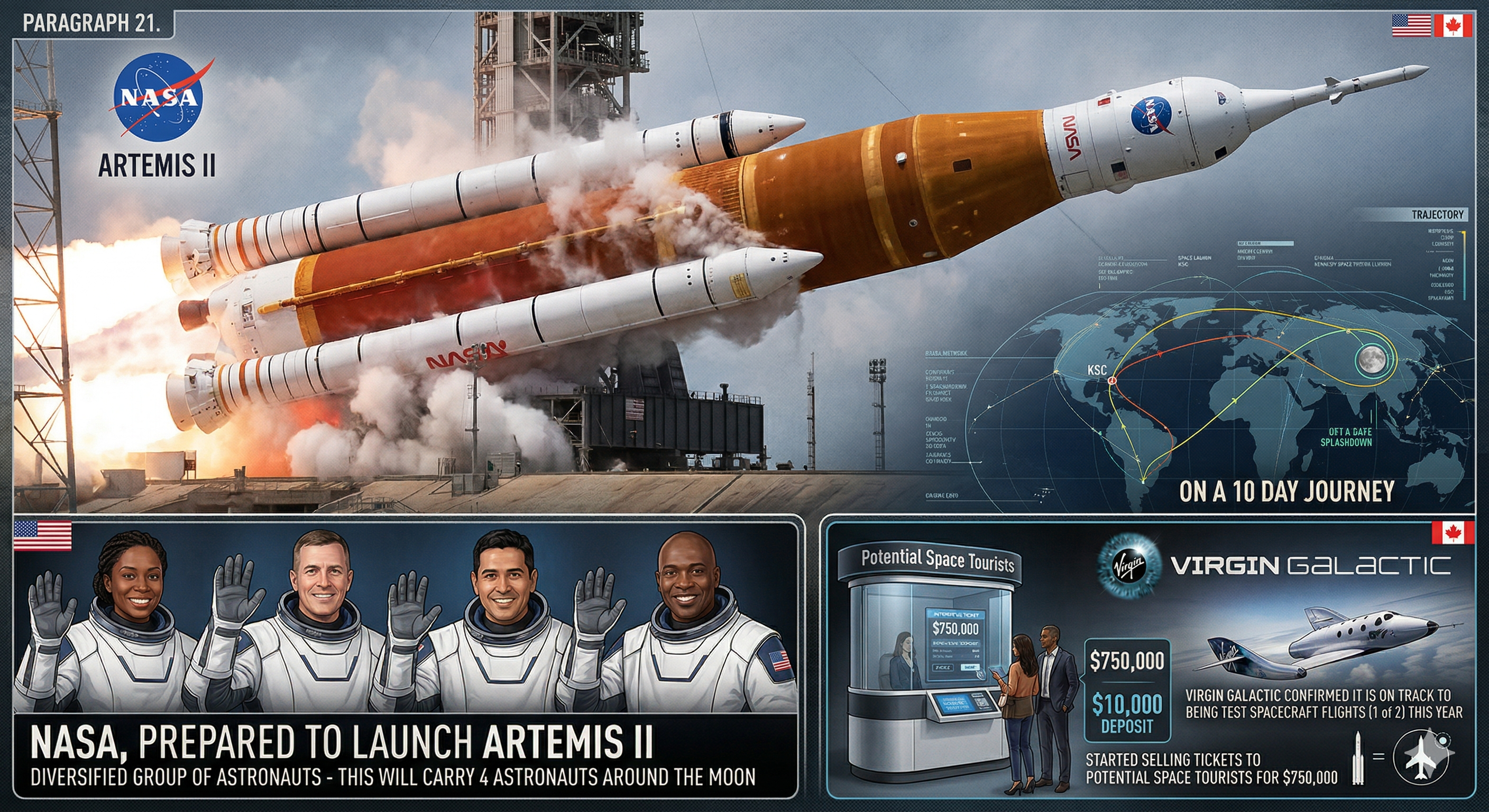
NASA is preparing to launch Artemis II, which will carry four astronauts around the Moon on a 10-day journey.
Virgin Galactic also confirmed it is on track to begin one of its two test spacecraft flight programs this year. It has started selling tickets again to potential space tourists for $750,000.